


Wellcome back to the Fermento Brewery, where flavour is always first on the menu! If you’ve been following us on our journey, you’ll know that we don’t just drink beer—we celebrate it! We love every brew we use because we believe they bring life to a dish, transforming good cooking into something truly memorable.
At Fermento, however, we also respect the deep roots of culinary history and acknowledge that sometimes the classics are perfect as they are. While our brewery is often thought of as a place for innovation, every great chef begins their adventure by understanding the traditional methods of cooking. At our cooking events, we often tell guests that mastering the basics can create desserts that are more complex than any modern trick. Texture, richness and specific warming aromas can transform an ordinary recipe into something extraordinary.
Today, we’re going to make a classic Italian custard, just like it was made centuries ago: the zabaione recipe in its purest form. Let’s get your whisks ready together, because we’re just about to make the absolute best traditional zabaione!
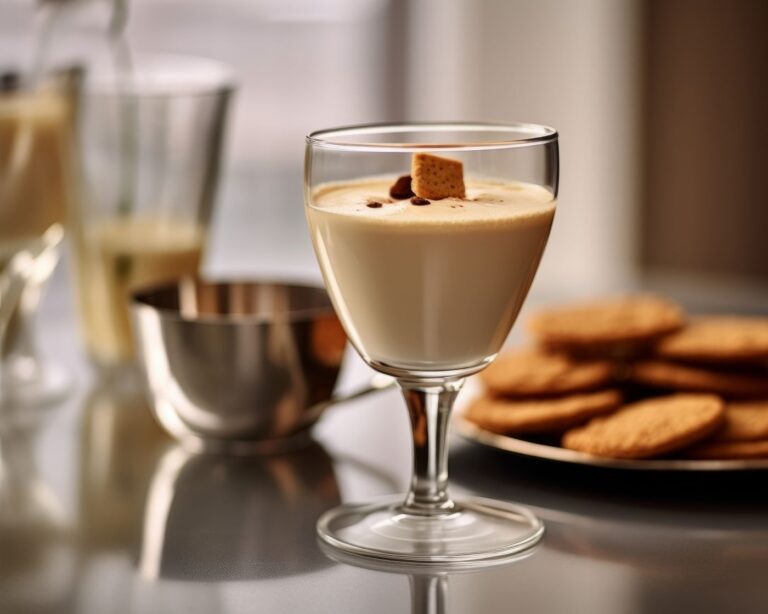
When it comes to taking a dessert to the next level, the secret lies in the toppings. A well-crafted zabaione recipe, for example, can transform a dry slice of sponge cake into a moist, decadent experience that dances on the palate. Zabaione (also known as Zabaglione) is a classic Italian dessert made with egg yolks, sugar and Marsala wine. The result is rich, boozy and delicious. However, when we delve into the history of this dish, something extraordinary emerges. According to legend, its origins date back to the 16th century, and it was named after San Pasquale Baylon, the Spanish patron saint of pastry chefs.
The end result is nothing short of amazing: a Zabaione dessert sauce that is as timeless as it is much more aromatic than modern puddings. It’s incredibly light, not heavy at all. It’s something that Italian grandmothers used to prepare as a restorative (without alcohol) for their grandchildren, or simply as an afternoon snack.
For this recipe, we use traditional sweet Marsala wine, which has a deep amber taste with hints of dried apricot and vanilla. When you gently heat it in the zabaione, these vintage aromas are released, naturally perfuming the custard without the need for artificial flavourings. This amazing zabaione recipe is the perfect way to combine the best of both worlds: history and a tasty treat.
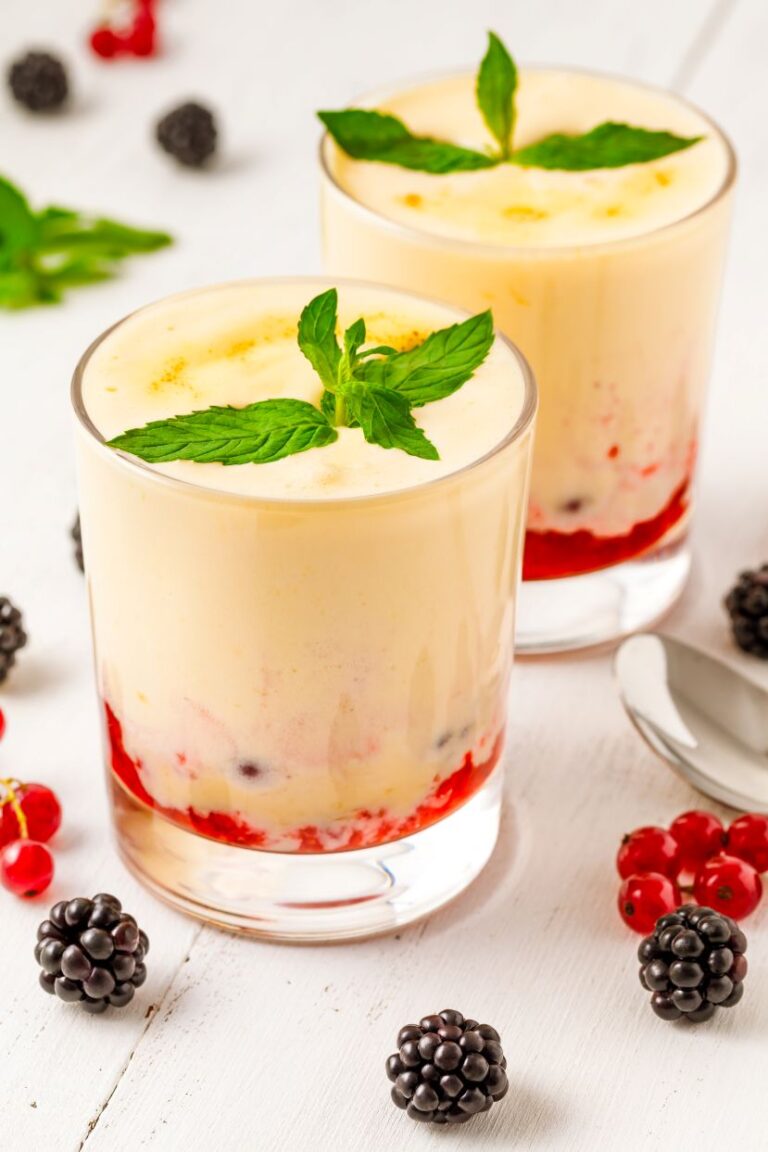
Before we start cooking, let’s take a look at the remarkable versatility of this golden creation. Our zabaione is not just a simple pudding — it’s a culinary transformer, capable of elevating almost any sweet treat. Imagine a slightly dry slice of cake being instantly transformed into a moist, decadent delight with a generous, warm pour.
Alternatively, consider how a simple bowl of fresh strawberries or raspberries can be transformed into an elegant dessert with just a dollop of this luxurious sauce. It pairs beautifully with festive favourites such as pandoro and panettone, providing the perfect accompaniment for dipping, and its nutty Marsala notes really come to life when served with rich hazelnut cakes. For a delightful play on temperatures, try drizzling it warm over cold vanilla gelato. Sometimes, the zabaione needs no accompaniment at all. Served in a small glass with a crunchy biscuit, it is a complete and satisfying dessert in itself.
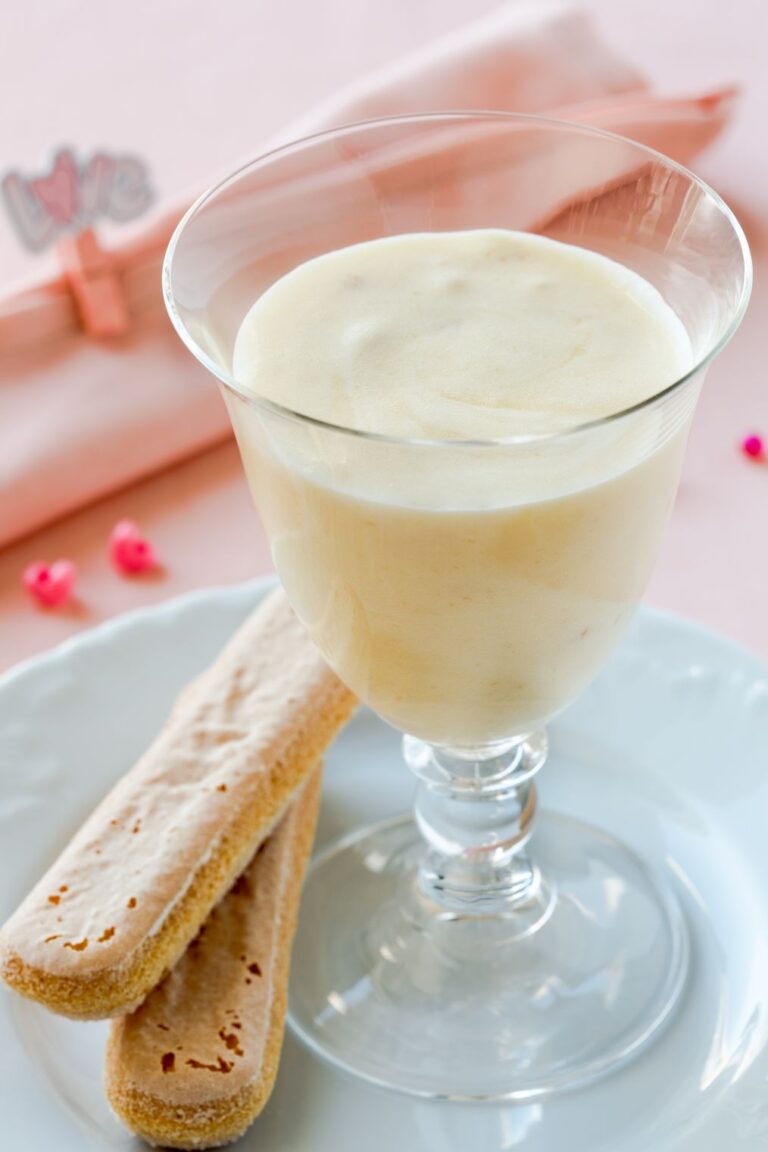
A quick but crucial note on our star ingredient: the eggs. While zabaione is gently cooked over a bain-marie, the heat serves a vital purpose beyond just thickening: it pasteurises the egg yolks, significantly reducing the risk of microbial contamination. For this reason, we highly recommend using the freshest eggs available.
Here’s a perhaps surprising tip for this recipe: while free-range eggs are often preferred for ethical reasons, we suggest using eggs from caged hens for zabaione. This is because eggs laid by free-range hens on the ground have a higher chance of coming into contact with soil-borne bacteria such as Salmonella, whereas eggs from caged hens are typically collected before they touch the ground, minimising this risk. Our goal is to prioritise safety without compromising on flavour.
Zabaione recipe from Fermento Classic
The traditional choice
Fine sugar melts faster
Freshness is key!
Optional, to stop cooking if needed
Preparation steps
Step 1 – The Initial Whisk
First, separate your eggs carefully. Place the eight egg yolks and 120 g of sugar in a stainless steel or heatproof glass bowl with a rounded bottom. It is very important to start whisking as soon as you add the sugar to the yolks. If you leave them sitting, the sugar will absorb the liquid and turn the yolks orange. These will then sink to the bottom of your zabaione dessert sauce. Whisk the mixture vigorously until it changes from a deep yellow to a pale white and becomes frothy.
Step 2 – Setting up the Bain-Marie
Prepare a bain-marie (double boiler). Prepare a bain-marie (double boiler). Place a saucepan on the stove and fill it with a few centimetres of water. Turn the heat down to low and allow the water to gently bubble. Place your bowl containing the egg and sugar mixture on top of the saucepan. Crucial tip: Make sure the bottom of the bowl does not touch the boiling water. If it does, the eggs will scramble and you will end up with sweet scrambled eggs instead of a smooth sauce. The aim is to gently heat the eggs using only the steam so that they pasteurise without forming lumps, which eliminates any health risks associated with raw eggs and microbes.
Schritt 3 – Adding the Wine
When the mixture feels warm to the touch, slowly pour in 200 ml of Marsala wine in a thin stream while whisking constantly. Keep whisking! This is the most important step in creating a stable emulsion for your zabaione. You won’t see foam straight away, but adding the liquid slowly helps the eggs to combine with the wine without splitting.
Schritt 4 – The Workout
Continue to cook the mixture over a bain-marie, whisking continuously with a balloon whisk for around 10 minutes. This is where the magic happens! You will see the mixture increase in size as the air is added and the proteins solidify. The aim is to trap air bubbles in the liquid to make it incredibly foamy. The sauce should be thick, glossy and creamy. It should coat the back of a spoon.
Step 5 – Cooling Down
Remove the bowl from the heat. Remember that the bowl retains heat, so the eggs may continue to cook. Keep whisking for another three minutes until it has cooled down a little. This will keep the sauce smooth and prevent it from separating.
Step 6 – Serving
Serve this delicious zabaione dessert sauce straight away while it’s still warm. This brings out the aromas of apricot and vanilla in the Marsala. Alternatively, if you prefer it cold, leave it to cool completely before folding in some whipped cream to give it a mousse-like texture.
Wheat
Blonde/white, naturally cloudy.
5.5%
Refreshing, tangy and tart with mild exotic fruit flavours.
6 - 10°C
Weizen glass or white wine glass
Pairing the zabaione and the pint
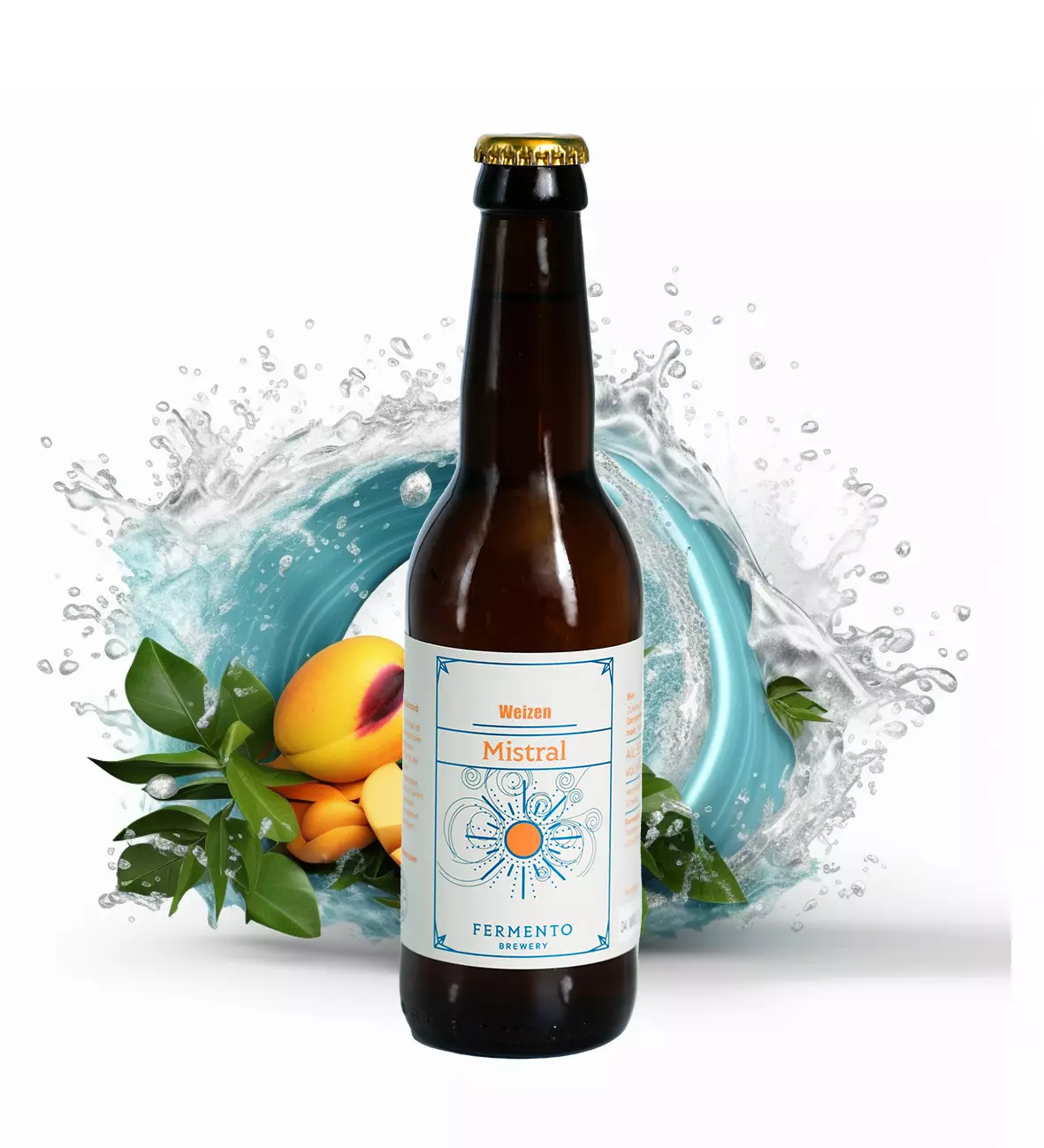
At Fermento, we believe that the perfect drink is an essential part of the cooking experience. As you have used Marsala in your recipe, it comes obvious to drink it together with your Zabaione. But wait, there’s more! We highly recommend pairing our Fermento Mistral wheat beer with your dessert.
Pairing this beer with the traditional zabaione dessert sauce creates a “contrast pairing”. The tropical flavour of the fruit cuts through the richness of the wine custard. The wheat beer’s high carbonation also cleanses the palate after rich, creamy egg yolks, preparing you for the next bite.

Cooking the classics is an absolute game-changer – it opens up a whole new dimension of flavour that many home cooks overlook, but which is waiting to be discovered! By incorporating traditional methods into a zabaione recipe, you can create dishes that bridge the gap between savoury and sweet, starting conversations and wowing your guests. However, if you’re looking for something more innovative, you should definitely try our zabaione prepared with beer. Our wheat beer, Mistral, is the perfect choice for this.
Traditional or innovative, our zabaione is the perfect airy finale to a meal and demonstrates how a simple zabaione recipe can be the star of the show. We hope you enjoy making this recipe and that it inspires you to experiment with different pairings and desserts. That way, everyone can enjoy a sweet treat! Until then, grab a whisk, open a cold bottle of Mistral and start cooking!
Cheers to good food, great beer and sweet memories!